FREE Standard Shipping on Orders Over $75

Racks and Accessories to Organize, Store, and Display Your Boards & Gear

Showing posts with label snowboard tips. Show all posts

Thursday, March 5, 2015

Tips to Buying a Used Snowboard | Online, EBay and Craigslist


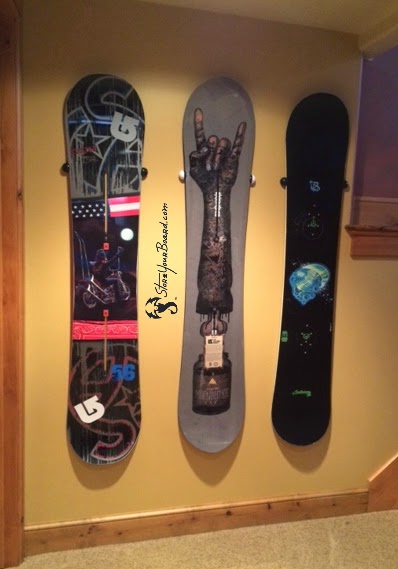
used snowboardsIt just happened. You were looking around at a thrift store, yard sale, craigslist, or wherever, and the perfect looking snowboard shows up (although this advice applies to skis, surfboards, bikes, etc.). It’s half the price of anything you’ve ever considered buying and you are ready to drop down some cash - should you be so quick to do it? 

Buying used equipment is a great way to pick up some very nice stuff for very little cash. Many will say that you never really know how much something was used (or abused) before you bought it, but if you have some patience you will come up with something eventually. It may take time, but it is worth it. Also, never be afraid to make an offer. Even if the owner isn’t looking to sell, a reasonable offer may change their mind.

Below, we’ll share a few tips for when you are looking at a used board.

Monday, February 16, 2015

Advantages to Skiing and Snowboarding Smaller Resorts


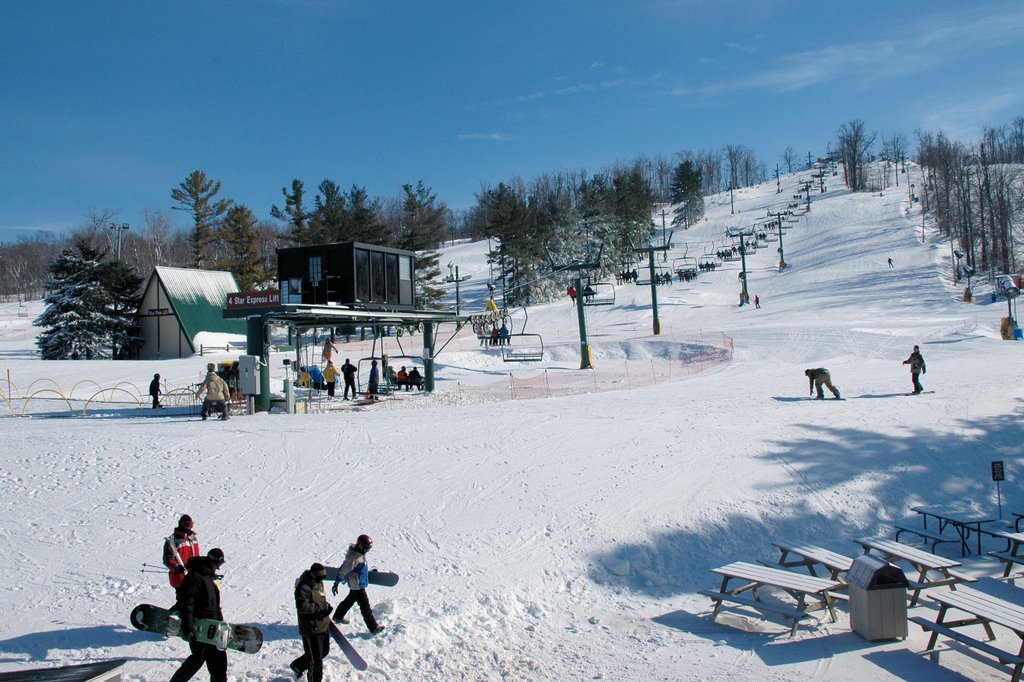
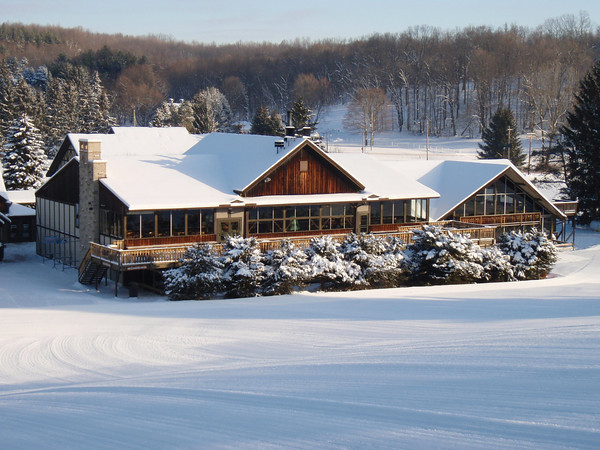
Our modern world often leads us to think that bigger is always better. It can be enticing to plan your snowboarding trip for multiple days at a time and at a large resort/mountain, but there are some very good reasons why you may want to check out smaller snowboard areas. From price considerations to distance from home, there are also some very nice smaller places that are worth the day trip. Here are some reasons why you may want to avoid the larger resorts this year.

snowboard scene


(1) Price
Depending on where you stay, a trip to a large resort could set you back a small fortune. If you are able to drive to a smaller ski area for a day pass and get back home a few times during the season this may be enough to influence your decision. Often, a smaller ski area has less overhead and therefore can charge less for everything. From food to a lift ticket, expect it to cost a little less.

(2) Convenience
For a large number of people, the convenience factor is pretty important. If a smaller ski area is close enough that you can head over after work and pick up a pass for the evening, it might be a better option than saving up your vacation days to hit the slopes somewhere further away. Being smaller, these areas often are overlooked by serious snowboarders, but they can be a convenient option for a quick getaway.

(3) The Crowd
With many people heading to larger resorts, there is a good chance you can get to a smaller area when there are less people there and have more of the slopes to yourself. An argument against this may be that at a ridiculously large location there is a larger area to accommodate all the people, but generally the crowds (and staff) at smaller places are pretty accommodating as it is. A lot of people use these spots to try out snowboarding for the first time. Others are weekend warriors or stopping by after work to get a few runs in.

(4) The People
In my own thoughts, visiting a smaller ski/snowboard area is much like visiting a small town. Nothing against the city, but there is a difference in how people treat each other when they are in little towns. Staff, locals, and generally everyone else at a smaller ski area can embody that idea. From impromptu lessons in the terrain park to conversations in the lodge, these interactions can make your trip out seem entirely different. This seems to be an opinion shared elsewhere as well.

Before you pack all your gear into an airline-approved Sportube snowboard case and head cross country for a week on the slopes, see if there is a local joint you can hit within a few hours drive. If you are dead set on travelling further for your snow fun, take an afternoon when you get there and head to something a bit smaller. You just might find that it has the best run, or least crowded views, after all.

Sunday, February 15, 2015

6 Tips to Avoid Ski Lift Lines | Timing is Everything

By Mike Ryan
You could always get up earlier, as if we don’t get up early enough as it is. Of course, if you can ski weekdays you avoid the lines, but we’re not talking to you.

Saturday, February 14, 2015

Snowboarding (at Night)


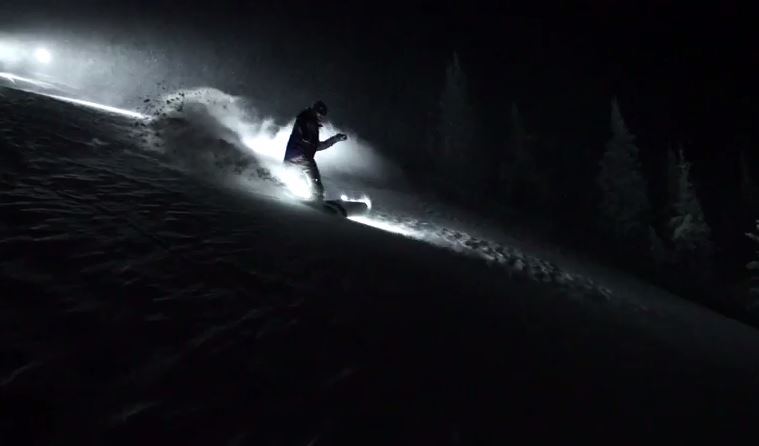
If you’ve never tried it, night snowboarding might either seem like a great idea or a really silly one. While flying down a mountain on a board while you can see clearly is one thing, the darkness limits your visibility and depending on the location this could be (even more) dangerous. Have no fear, though, because if you are prepared and stick within your abilities it can be a very enjoyable experience. Here are a few tips to keep you headed down the slopes after dark.

night-time-snowboarding.jpg

Wednesday, February 11, 2015

7 Tips for Dealing with the Wind Skiing and Snowboarding

By: Maya Silver
If you love to ski, you know that not everyday will be a bluebird one. Sometimes, temperatures sink into the teens, single digits, or even negatives. Other times, clouds with silver linings bring heavy snow that means super fun powder but also difficult visibility and tired legs. And then there's my least favorite element of them all: wind.

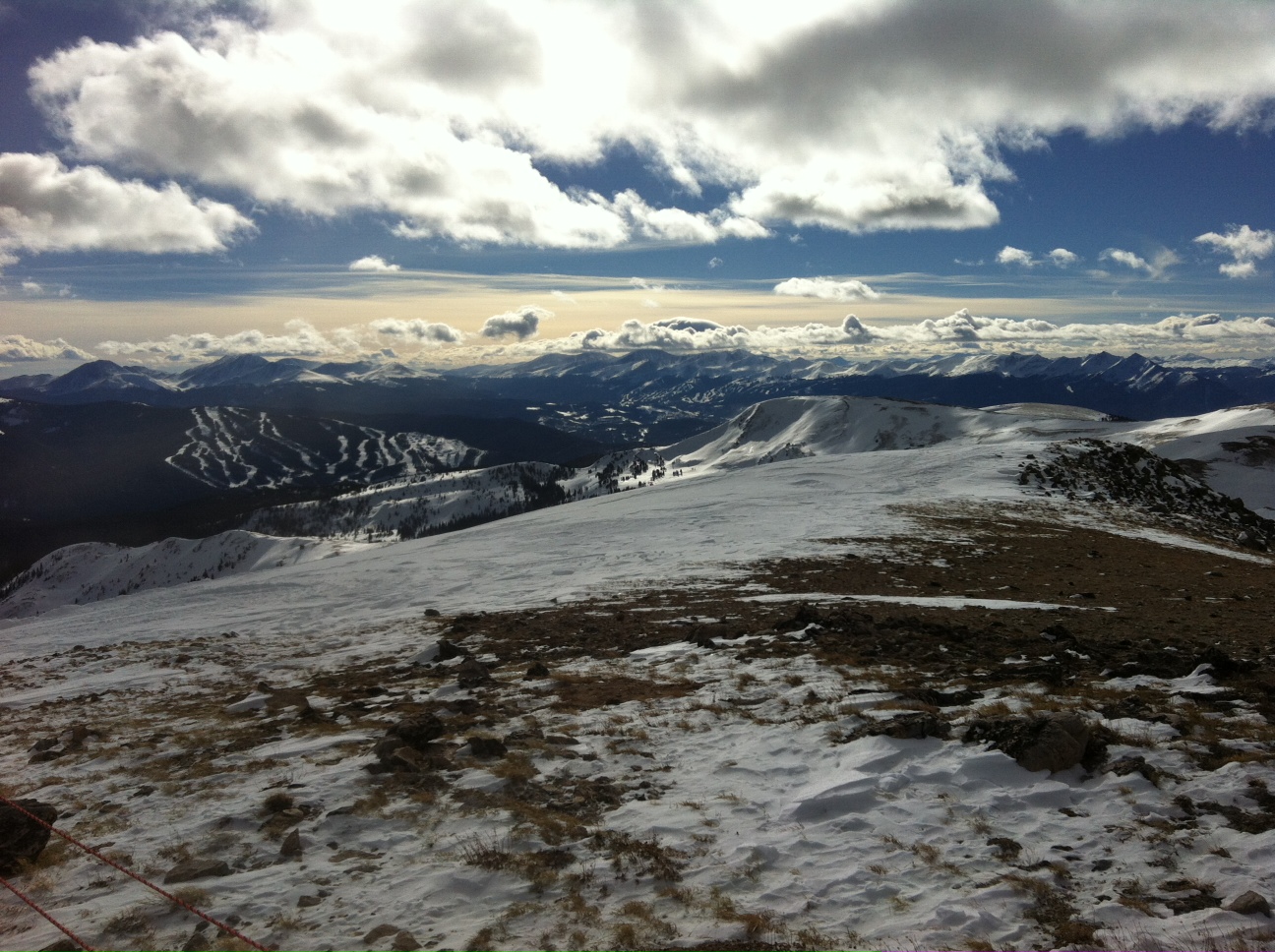
loveland peak view
view from atop Loveland
Recently, my friend and I arrived at the top of Lift 9 at Loveland--already nervous about the line we were going to take—and robust gusts greeted us from all directions. As I tightened my boots, I wondered how anyone was supposed to ski in wind this strong! We made our way to the top of the run we were planning to take and covered our faces as the wind blew icy snow onto our faces. I noticed a few people bailing, sidestepping up the run, and wondered if we should do the same. Between the steepness of the pitch below, and the swirls of snow blown up by the wind, I couldn't see the run below at all. But rather than bail, we set our focus to making turns and it ended up being the best run of the day.

Sunday, February 8, 2015

GoPro Tips for Snowboarders Part II | Tips on Settings and Shooting Perspectives

large_Hero4Black_StandardHousing_0_OB.jpgBy: Ryan Centioli

It is no secret that action cams, specifically GoPro, have exploded onto the scene at mountains across the country. Everyone has one and you always wonder why their footage looks better than yours does.

You watch videos on YouTube, you try and try again, but your footage keeps coming up worse than you hoped. I’ve been there, and here's what I've learned on some technical tips to improve your footage.


Monday, February 2, 2015

GoPro Tips for Snowboarders | Part I


It wasn’t that long ago that mounting a camera on a snowboard seemed like a wild idea. Now you can hardly walk through the lodge without seeing these little devices hanging around. GoPro may be the go to camera for most action sports, but there are many options. Once the model started working, finding new and innovative ways to use these seemed like a great idea, but unfortunately many people struggle to get really great video consistently. While there may be a laundry list of reasons why your footage didn’t turn out the way you expected, but here are some ways to get higher quality video from your little camera of choice.
422021d1231202114-vholdr-gopro-helmet-hero-img_7106-2-.jpg
image: mtbr.com

Saturday, January 31, 2015

Skiing and Snowboarding on a Budget | Money Saving Mountain Tips


Snowboarding and skiing are great hobbies to get into but they suffer from one big drawback: cost. Similar to other action sports, the cost of equipment can add up quickly if you aren’t careful, and then you have to add travel and resort/lift costs. While there is very little chance of you getting to go out and board for free, there are many ways to save a bit here and there to make it a little easier on your wallet.

6a00e398274e398833019b031ea71a970d-800wi
image: buckeyeline.org

Sunday, January 25, 2015

Snowboard Terrain Park - Rules to Ride By


For many snowboarders the terrain park is the place to be when you are out on the mountain. If you’ve been in it, you likely know exactly why. If you’ve never been through it, it might seem intimidating or even just plain scary. Knowing what you are getting into is important, but so is knowing how to behave when you are there as well. There are unspoken rules in every sport, but it generally boils down to some basic things. Here are some tips to help you stay on the good side of those you are sharing the park with.

Joey for park page.jpg
image: bluewood.com/terrain-parks

Friday, January 23, 2015

Are you Regular or Goofy(foot)? Snowboard Stance Tips

By: Brooke Edwards Staggs
One of the first things new snowboarders need to figure out is which camp you belong in: regular or goofy.
This has nothing to do with your sense of humor or favorite Disney character. Instead, it’s all about your stance, or which foot you put forward on your board. Left foot forward? You’re regular. Right foot forward? You’re goofy.
This may seem counterintuitive, since we tend to think of right-handed people as being more “regular” because they’re more common. But that’s exactly why the terminology, which is borrowed from surfing, makes sense. If your right foot is on the back of your board, that’s the leg you’ll use to do most of your steering, braking and everything else that controls your movement across the slopes.

Tuesday, January 20, 2015

Grinds for Beginner Snowboarders


So you’ve made it through your first days on the board. You’re carving back and forth just fine, and you gave jumping a try when you could, and learned how to do a few grabs, but there is more to the terrain park than just ramps and air. You might have noticed the large boxes and rails sticking out into the air, so make use of them. More technical tricks might not be as attention grabbing to those watching from afar, but they show skill and give you a way to connect your runs through the terrain park together. Here are three grinds to try your first time that will get you started:


Wednesday, January 14, 2015

5 Reasons to Ski or Snowboard Solo

skiing aloneBy: Brooke Edwards Staggs
When we plan a day on the slopes, one of the first things we often do is enlist friends or family to come along for the ride.
Some of my best memories are of snowboarding with a group of friends, singing songs as we rode on the lift and challenging each other to hit that new jump.

Riding alone is a different experience. It can be a liberating one, though, and something I’d recommend every solid skier and snowboarder consider. Here are five reasons why.

Tuesday, January 13, 2015

How to Make the Best of Poor Ski and Snowboard Conditions


It's a sad reality that unless you live on a mountain, you are going to have to deal with poor conditions from time to time.

Over the last 15 years, being from the northwest, I have had to learn to make the best of poor conditions. Northwest winters are either very good, or very bad. This year is shaping up to be the latter as two of our three primary resorts just had their opening days and the third with less than five inches of snow, is yet to open. Bad conditions are bad for everyone, including the organization that is operating the mountain.

snow.JPG

Wednesday, January 7, 2015

How to Survive Teaching a Friend or Loved One to Ski (or Snowboard)


teaching a friend to snowboardHow exciting! Your friend or loved one just asked if you'd show them the ropes on the slope this winter and you said yes. If the person in question happens to just be a local buddy who's just never gotten around to learning, then you may only be facing one manageable day of playing teacher. But if we're talking a friend who's planned to fly in from out of town—perhaps with a virgin pair of boots they just eagerly bought in tow in your ski bag —for the inaugural ski trip of their life, you've got your work cut out for you.

I know firsthand how difficult it is to teach a friend or loved one to ski—you see, I’ve been both the student and the teacher in that situation within the past seven years. When I moved out to Colorado from the East Coast, I didn’t even really understand what skiing was—I’d never seen anyone do it, I’d never watched a ski movie, I had no friends that skied. My boyfriend at the time became so frustrated with my lack of progress that he handed me off to my friend. She was new to skiing herself and thankfully had the patience to get me down a green on a powder day without a freak out.

Tuesday, January 6, 2015

5 Easy Ways to Stay Warm on the Mountain

5 Easy Ways to Stay Warm on the MountainBy: Cortney Nichols


Most of us spend months waiting for the first snow or first cold snap when the ski areas can make snow.  Spending a day on the mountain skiing and riding can be one of the best experiences or one of the most miserable.  These 5 tips will help you stay toasty all day and make for a much more fun and comfortable day.

Sunday, January 4, 2015

How to Add Rotations to Your Snowboard Tricks


image: mtnweekly.com
Being able to head down the mountain is only one part of snowboarding. Being able to jump into the air and pull off some tricks are quite a different part. Previously, we posted about how to add grabs to your airs, but how can you show even more style and skill while you are flying around from ramp to ramp. One of the best things to learn next is the ability to rotate around and still land aiming in the right direction. In this post, we will tell you how to get your rotation down so you can make your grabs look that much better.

Thursday, January 1, 2015

5 Snowboard Grab Tricks for Beginners to Try

By: Brad McNally
3211736203_bdecdf7342_z.jpg
https://www.flickr.com/photos/juanancito/3211736203/

It doesn’t take long to start thinking about all the tricks you could do once you start changing from just downhill to downhill with a lot of air along the way. Knowing what you are going to do before you get into the air is helpful, though, because you don’t want to commit halfway to a trick and then fail to execute. As with more traditional sports, one of the best ways to learn is repetitive practice, even if that is during the off-season on the trampoline, so you will be ready when the hills are covered with powder again. Once you learn these five grabs, you can expand to more difficult ones or add in other variables, but if nothing else, these will give you something to do with your hands while in the air.


Wednesday, December 24, 2014

Riding the Plank | Snowboard Jumps | Flight = Freedom

snowboard jumpsBy: Brian Negele


Learning how to do a proper heel turn, a toe turn, carve...then, finally carving at high speeds, is just the obvious progression in boarding. What really breaks the gap between that and bigger and better things? Well... that would be jumping!


Sunday, December 21, 2014

Carrying a Ski or Snowboard Multitool on the Mountain


snowboard_carabiner_tool__33238.1415723090.1280.1280.jpgA multitool can be a very useful thing to carry with you on a regular basis. Some people have a Leatherman or a Gerber tool that they use as part of their EDC (every day carry). There are multiple reasons to carry one along when you are skiing or snowboarding (or during any outdoor activity, actually). “Be Prepared” is more than just the boy scout motto -- it is great advice for any athlete that is going to be out on their board. Here are a few reasons you may want to consider carrying a multitool with you.


Monday, December 8, 2014

Home Guide to Sharpening Snowboard Edges | Tune Your Snowboard's Angles


photo: nonstopsnow.com
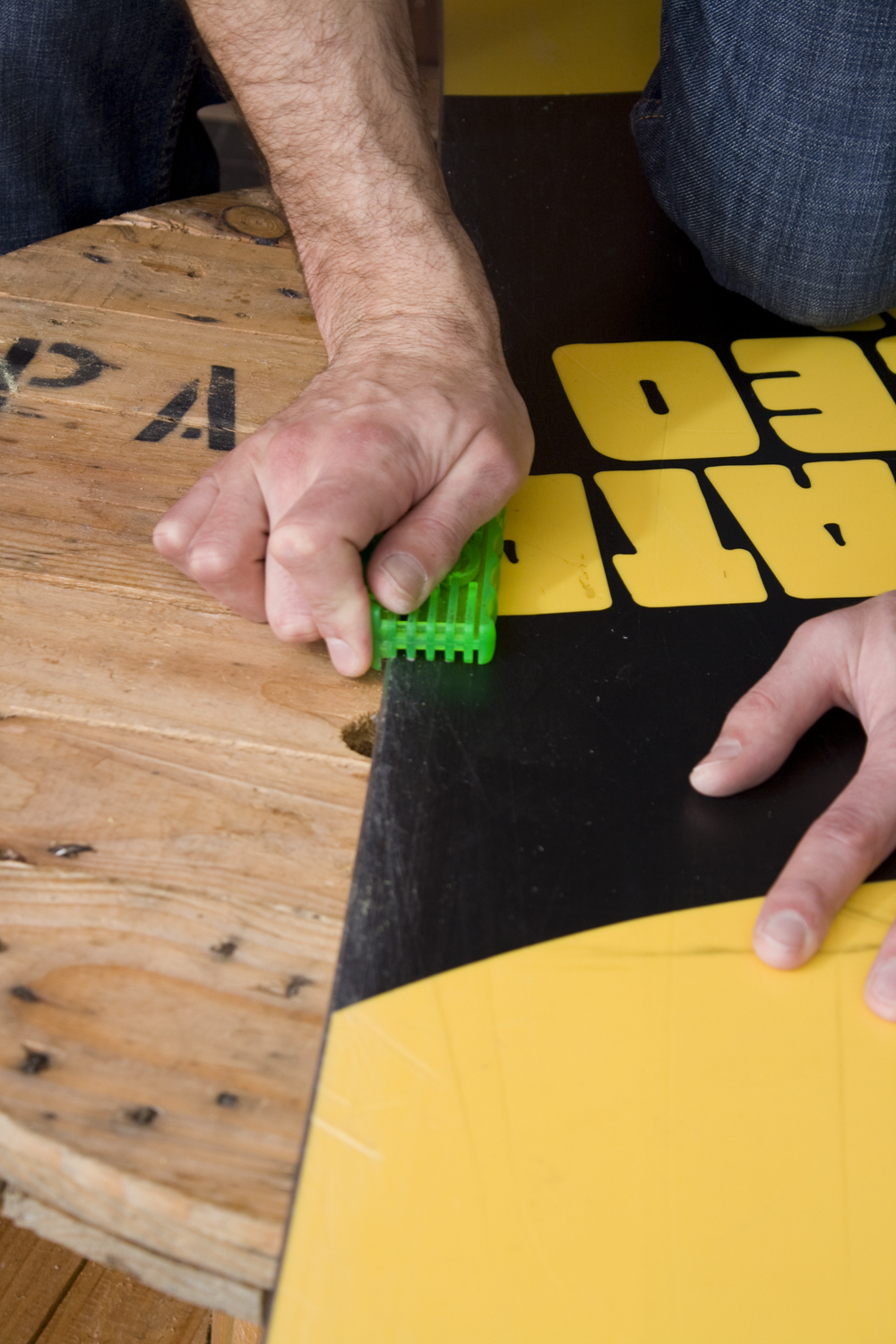
Now that you’ve learned to fix your snowboard base and wax your snowboard at home, know that there is other basic snowboard maintenance you can perform yourself. Sharpening your edges will help your snowboard perform better. This is a small adjustment that can make a world of difference in how your board grips the snow as you carve. Basically, you will be sharpening the edges to a specific angle where you want to board to grip the snow better and detuning (or dulling) the edges that you don’t want to catch. According to ABC-of-snowboarding, edge maintenance should be done after each day of riding.

This is done before you wax but after you remove your bindings. You can will need to use a file guide with your edge file to make sure that you are creating the correct angle on your edge. Before you do this part (and especially if you are new to it), take a marker and put a strip of color along the entire edge that you will be filing. The goal of marking is to make sure you get each part of the edge sharpened, not just a section or two. The edges can be 90 degrees, 89 degrees, or 88 degrees. The lower the number, the more grip that the edge will create. The creation of an angle on the edge is called beveling. There are two surfaces that you can sharpen: the base and the side.